Most of our repairs are arranged through an insurer. From the initial claim to handing your vehicle back, we manage the repair process and keep you informed along the way.
Steps 01 to 02
Claim and booking
01
Your insurer nominates us
The claim comes through your insurer. We contact you to arrange bringing your car in.
02
Booked in and parts ordered
We confirm your repair dates and order everything the job requires, including extras such as bull bars or custom wheels. We organise these through our suppliers, so you don’t have to chase them yourself. Many repairs are completed within a week, with your vehicle typically ready for collection the following week. Timing can vary depending on insurer approval and parts availability.
Steps 03 to 05
Repair planning
03
Assessment and measurement
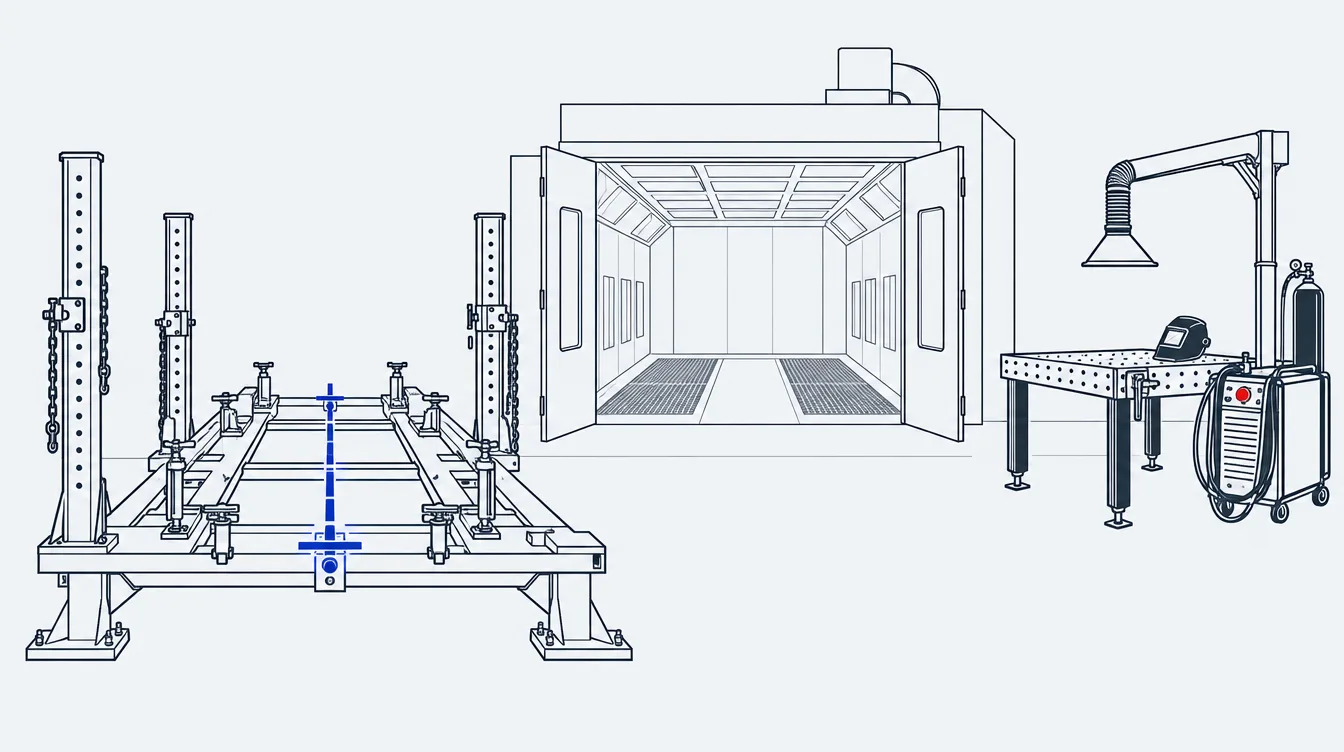
We photograph any additional damage, identify the required parts and measure the vehicle on a Global Jig system where structural alignment is required.
04
Full system scan
We scan the vehicle’s electronic systems for faults, helping identify any issues before repairs begin.
05
Liaison with insurer and manufacturer
We confirm the repair method against the manufacturer’s published procedures and work with the insurer to approve the required repairs.
Steps 06 to 08
The repair
06
Strip down
The damaged area is stripped back so the full extent of the damage can be assessed and repaired properly – not simply covered over.
07
Structural and panel repair
Damaged sections are repaired or replaced to manufacturer specification, using the correct repair and welding processes, then measured again.
08
Paint and refinishing
We use PPG Envirobase waterborne paint, applied with SATA equipment and refinished in a Lowbake spray booth.
Steps 09 to 11
Back to you
09
Reassembly and calibration
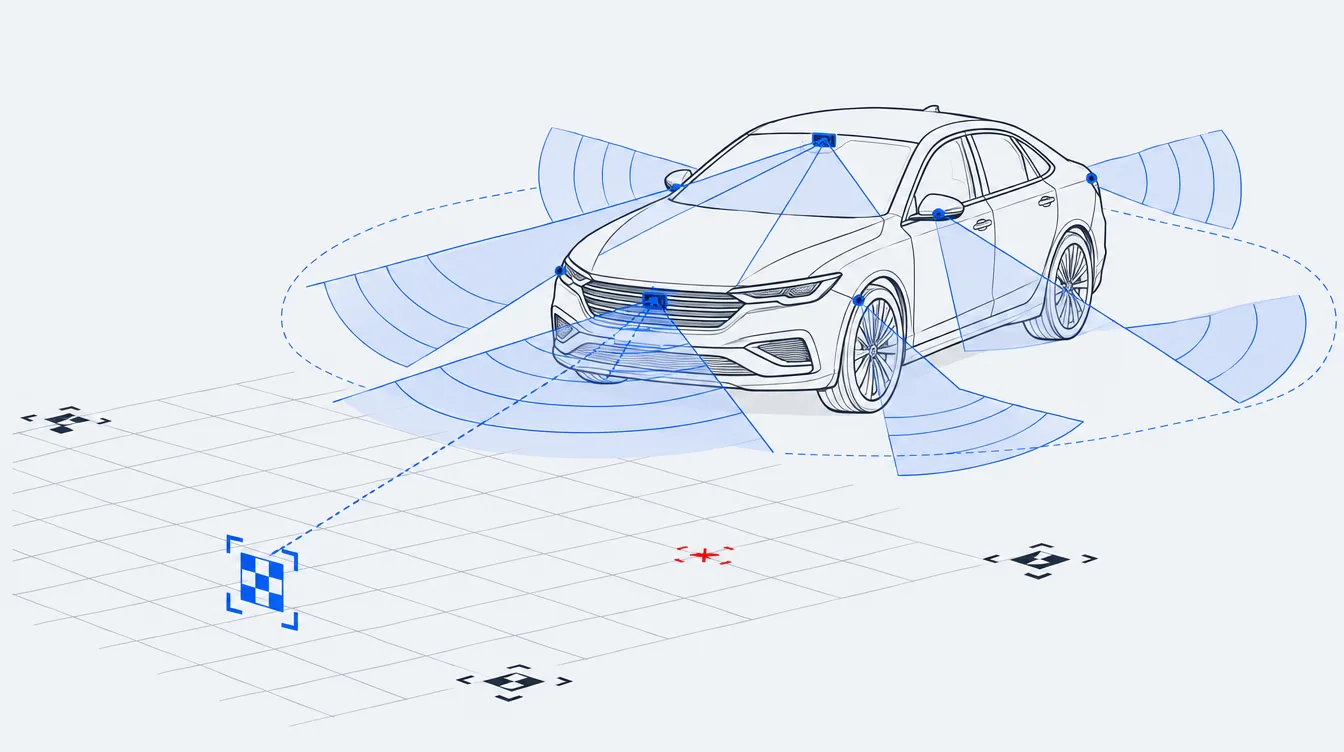
The vehicle is reassembled, with driver assistance systems recalibrated where required by a specialist.
10
Final finish
The vehicle is buffed and detailed inside and out.
11
Quality check and handover
We carry out a final check, then contact you to arrange collection.
Calibration
Modern cars use radar, cameras and blind-spot sensors to support their safety systems. After certain repairs, these systems may need specialist recalibration to make sure they continue to work correctly. We make sure this is done before your vehicle is returned.
Specification
Repairing to the standard your vehicle was built to.
Your vehicle was engineered and tested to specific manufacturer standards. We follow the manufacturer’s published repair procedures, measure structural repairs and use the specified materials and welding methods.
We work with manufacturers and insurers throughout the repair process and don’t substitute repair methods that aren’t approved by the manufacturer.
We stand behind our workmanship with a five-year warranty on the repairs we carry out.
On the floor
Global Jig chassis measuring
Structure checked against factory geometry before and after repair.
Lowbake Spray booths
Controlled conditions for a consistent, durable finish.
PPG Envirobase and no-bake clear
Accurate colour matching with efficient booth turnaround.
SATA spray equipment
Consistent application across every panel.
GYS and Elma welding
The correct welding processes for modern vehicle steels.
Genuine parts only
Manufacturer-specified parts used where required.
On the floor
The work, start to finish.
From measuring and structural repair through to paint and final checks, every stage is managed from our workshop on North East Road.
Video slot
Process loop sits behind this band: 1920 by 1080, muted with no audio track, about 12 seconds, graded cool. Measuring, welding, the booth, the final wipe down. No faces unless the team have signed off.
Equipment and suppliers
The equipment and brands behind our work.
We use established equipment, paint systems and materials throughout the repair process, chosen for the work we do in our workshop.